How to Heat One Room Cheaply (and Safely) With a Space Heater
On this page
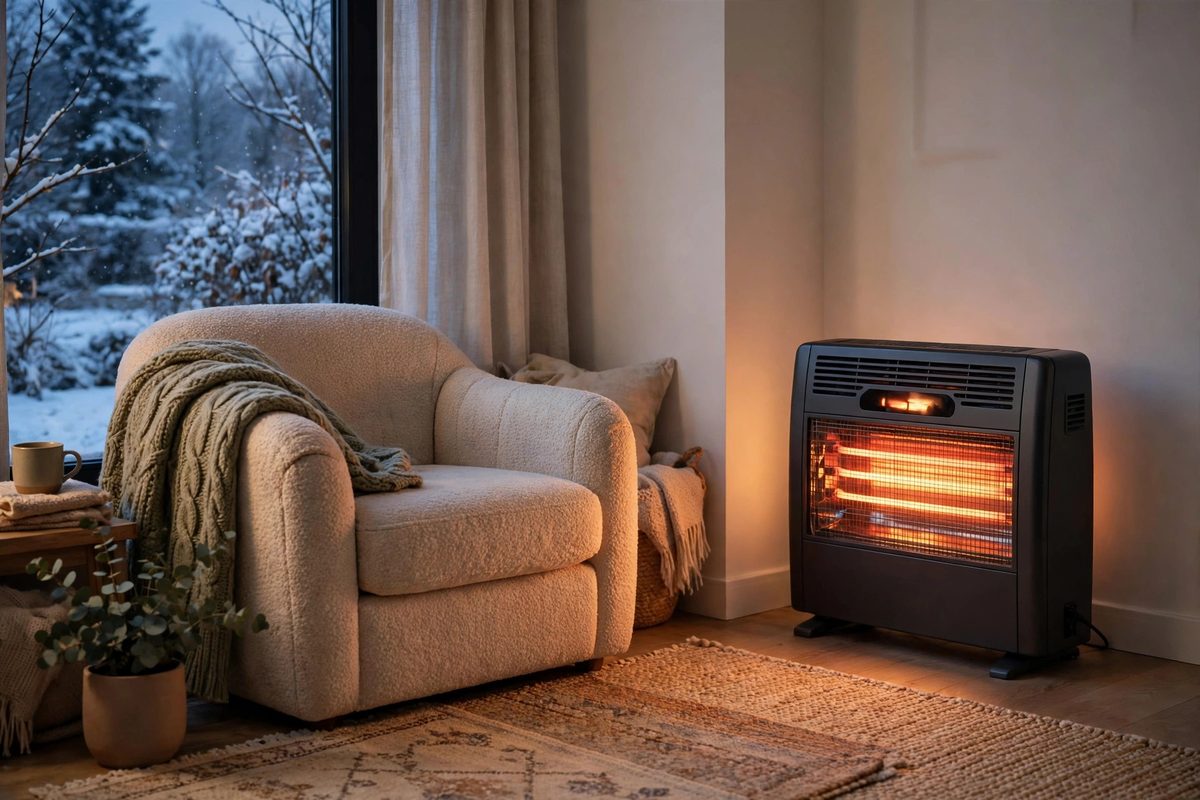
How to Heat One Room Cheaply (and Safely) With a Space Heater
When the thermostat drops and you only need warmth in the bedroom or home office, a space heater can feel like a lifesaver. But it’s not a magic money‑saving device; it works best when you pair the right type of heater with smart habits. Below you’ll find the practical steps that make a space heater actually cheaper than cranking up the whole‑house system, plus the seven safety rules that keep the comfort from turning into a hazard.
When a Space Heater Saves Money
Imagine your living room stays at 68 °F while the rest of the house is set to 55 °F. If you shut off the central furnace for an hour and run a 1,500‑watt electric heater in that single room, you’re using roughly 1.5 kWh. At an average electricity rate of $0.13 per kWh, that’s about 20 cents for the hour. Compare that to the furnace, which might consume 5 kW or more for the whole house, costing several dollars for the same period.
The savings show up when three conditions line up:
- Only one room needs heat. The more space you can isolate, the less you waste.
- The central system can stay low. If you can drop the main thermostat by at least 10 °F, the heater’s electricity cost often beats the furnace’s fuel cost.
- You have a good‑insulated room. Drafty windows or thin walls will make the heater run longer, eroding the savings.
When It Doesn’t Pay Off
If you try to heat an entire open‑plan area or a poorly sealed space, the heater will run continuously. A 1,500‑watt unit left on for eight hours consumes 12 kWh, which can easily outpace the cost of a short burst from a gas furnace. Likewise, if your electric rate is unusually high, the break‑even point shifts, and the heater may not be the cheaper choice.
Choosing the Right Heater
Not all space heaters are created equal. Here’s a quick rundown of the most common types and what they’re best at.
Convection Heaters
These units warm the air that passes through a heating element and then let the warm air rise naturally. They’re quiet and work well in rooms where you stay for a while—think a bedroom or study. Look for models with an adjustable thermostat; that lets the heater cycle on and off, saving electricity.
Radiant Heaters
Radiant heaters emit infrared heat that warms objects and people directly, rather than the whole room air. They’re great for spot heating—like a home office chair or a reading nook. Because they don’t have to heat the entire volume of air, they often use less power to keep you comfortable.
Oil‑Filled “Radiator” Heaters
These blend convection and radiant principles. The oil inside retains heat long after the unit cycles off, so they’re efficient for longer periods of use. They’re a bit heavier and take longer to warm up, but the steady, gentle heat can be more pleasant in a bedroom.
Setting Up for Maximum Efficiency
Once you’ve picked a heater, the next step is to make it work for you, not against you.
1. Position the Heater Right
Place the unit on a flat, stable surface away from curtains, furniture, and anything that could block airflow. If you’re using a radiant heater, aim it toward the spot where you spend the most time. A small table or nightstand can serve as a platform, but keep a clear two‑foot perimeter.
2. Seal the Room
Close doors, pull the blinds, and use a draft stopper at the bottom of the door if there’s a noticeable cold breeze. Even a simple rolled‑up towel can cut a gap that would otherwise let warm air escape.
3. Use the Thermostat or Timer
Most modern heaters have built‑in thermostats. Set it a few degrees below your comfort level—say 65 °F if you like it warm—and let the unit cycle. If the heater lacks a thermostat, plug it into a timer that turns it off after you’re done, like when you leave the house or go to bed.
4. Pair With a Small Fan (Optional)
Running a low‑speed floor fan for a minute or two can circulate warm air more evenly, reducing the time the heater needs to stay on. It’s a small trick that can shave a few cents off the electric bill over a week.
The Seven Safety Rules You Can’t Skip
Space heaters are handy, but they also pose fire and shock risks if you’re careless. Follow these rules every time you plug one in.
- Keep it on a hard, flat surface. Never place a heater on a carpet, bed, or upholstered chair.
- Leave at least three feet of clearance. Anything flammable—curtains, papers, pet bedding—needs space.
- Never leave it unattended. Turn it off when you leave the room or go to sleep.
- Use a heater with an automatic shut‑off. Tip‑over and overheat sensors are lifesavers.
- Plug directly into a wall outlet. Extension cords can overheat; if you must use one, make sure it’s rated for the heater’s wattage.
- Keep it dry. Water and electricity don’t mix—don’t use a heater in bathrooms or near a leaky pipe.
- Inspect the cord regularly. Frayed or cracked insulation means it’s time to replace the unit.
Real‑World Example: The Winter Bedroom
Jane lives in a two‑story house with a gas furnace. She found herself shivering in the master bedroom while the rest of the house stayed at 55 °F. She bought a 1,500‑watt convection heater with an adjustable thermostat for about $40.
She sealed the bedroom door with a draft stopper, pulled the curtains shut, and set the heater to 66 °F. The thermostat cycled the heater on for roughly 15 minutes each hour. Over a typical 10‑hour night, the heater used about 2.5 kWh, costing roughly 30 cents. Her furnace, if left running for the same period, would have burned natural gas enough to cost at least $1.50, based on her utility’s average rate.
Jane also follows the safety checklist: the heater sits on a nightstand, three feet from the bed, with the tip‑over switch engaged. She turns it off before leaving the house each morning. The result? A warm bedroom, a lower heating bill, and peace of mind.
Quick Checklist Before You Turn It On
- Is the heater on a hard, flat surface?
- Do you have at least three feet of clearance?
- Is the tip‑over and overheat shut‑off engaged?
- Is the cord in good condition?
- Is the room sealed against drafts?
- Did you set a thermostat or timer?
- Are you staying in the room while it runs?
Running through this list takes a few seconds, but it can prevent a fire, a shock, or an unnecessary electric bill.
Bottom Line
Heating one room with a space heater can be a smart, cheap way to stay cozy when the rest of the house stays cool. The key is to match the heater type to the space, use a thermostat or timer, and seal the room as best you can. Follow the seven safety rules, and you’ll enjoy the warmth without the worry. So the next time the thermostat dips, you’ll know exactly how to heat one room cheaply—and safely.
Comments
No comments yet — be the first to share your experience.