How to Get Rid of Mould on Walls in a Rented Apartment (US Guide)
On this page
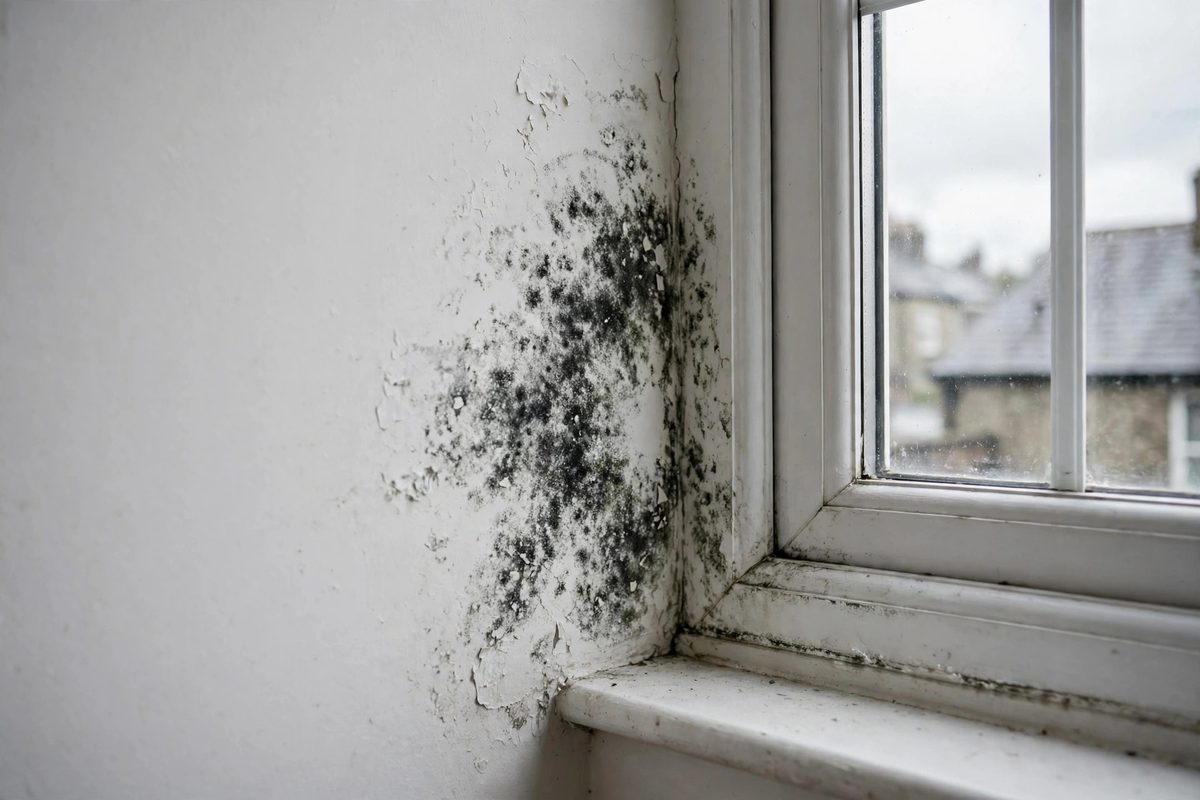
Quick answer
If you discover mould on the walls of your rented apartment, open the windows, clean a small patch safely, and email your landlord in writing. In most US states, landlords must keep a rental home habitable, and mould caused by a leak or another problem you did not cause is a repair for the landlord — but the exact rules vary by state, so check your state and local rules.
What’s really causing the mould?
Mould thrives on moisture, so any excess humidity can turn a clean wall into a black‑spot hotspot. In apartments, the usual suspects are bathrooms that never get aired out, steam from cooking, indoor drying of clothes, and hidden leaks behind plaster.
Even a cozy apartment can become a breeding ground if fresh air is scarce. On a rainy day, a bathroom that isn’t ventilated can push indoor humidity to 70 %, just enough for spores to settle and grow.
Check your lease and landlord duties
Before you roll up your sleeves, skim your lease. Most contracts obligate the landlord to keep the property “in good repair” and free from damp. If the mould stems from a structural fault, a leaky roof, or a broken pipe, the landlord is on the hook.
What US law says
In the United States, there is no single national mould law for renters. In most states, landlords have an implied warranty of habitability, and state and local housing codes require them to keep a rental home habitable — but the exact rules, deadlines, and tenant remedies vary by state and by city, so do not treat any one state's rule as if it applied everywhere. In general, a landlord is responsible for fixing mould caused by a leak, a structural problem, or another issue the tenant did not cause, and for fixing the moisture source, not just cleaning the surface. If the landlord ignores a valid written repair request, contact your local housing or code enforcement office or health department: they can inspect the property and order repairs. Do not withhold rent on your own — in many states, withholding rent without a court order or an escrow arrangement can risk eviction, and some states allow repair-and-deduct only under specific conditions. Get local legal advice or contact a legal aid office first.
Step‑by‑step: getting rid of mould yourself
Serious problems belong to the landlord, but you can safely clean small patches while you wait for a professional. The US Environmental Protection Agency (EPA) says that if the mouldy area is less than about 10 square feet (about 3 feet by 3 feet), you can usually clean it yourself; larger areas, mould in heating and cooling systems, or mould after sewage or flooding should be handled by a professional. Follow these steps:
- Protect yourself. Slip on rubber gloves, an N95 mask, and goggles. Mould spores irritate eyes and lungs.
- Ventilate the room. Open windows and run an exhaust fan for at least 15 minutes. Lower humidity and help the cleaning solution work.
- Mix your cleaning solution. Scrub hard surfaces with detergent and water, as the EPA recommends. If you use bleach, use no more than 1 cup of household bleach in 1 gallon of water, as the CDC recommends, and never mix bleach with ammonia or any other cleaner. For a gentler option, use straight white vinegar.
- Apply and scrub. Dampen a clean cloth or soft brush, then gently scrub the mouldy area. Avoid splashing to keep spores from spreading.
- Rinse and dry. Wipe with a damp cloth to remove residue, then pat dry with a towel. Keep the window open until the wall feels completely dry.
If the patch is larger than about 10 square feet or reappears after cleaning, you’re likely dealing with a deeper moisture issue. Time to call the landlord.
How to tell the landlord – and what to say
A polite, written request works best. Use this template for email or printed letter:
Dear [Landlord’s Name],
I hope you’re well. I’ve noticed mould on the wall in the [room, e.g., bathroom] of the apartment (photos attached). I’ve ventilated the area and cleaned a small spot, but the problem persists, suggesting an underlying damp issue. Could you arrange a professional inspection and repair as soon as possible?
Thank you for your prompt attention.
Best regards,
[Your Name] – [Apartment Address]
Send the email, then follow up with a hard copy if you haven’t heard back within a week. Keep a copy for your records; it may be needed if you contact your local housing or code enforcement office or health department later.
When to involve a professional
Don’t DIY if you see any of these signs:
- Widespread black or green growth covering more than about 10 square feet.
- A lingering musty smell despite cleaning.
- Visible water damage—bubbling paint, warped plaster, or a leaking pipe.
- Health symptoms such as persistent coughing or wheezing that improve when you leave the apartment.
In those cases, hire a qualified mold remediation professional. They’ll locate the source, remediate the mould, and recommend repairs. The landlord should foot the bill if the issue isn’t caused by your daily habits.
Preventing mould from coming back
After the fix, a few simple habits keep moisture at bay:
- Air out daily. A quick 5‑minute window opening after a shower can cut humidity by 10‑15 %.
- Use exhaust fans. Run them for at least 10 minutes after cooking or bathing.
- Don’t dry clothes indoors. If you must, place a portable dehumidifier nearby or hang them near a window.
- Watch the temperature. Keep the apartment around 64-68°F; cooler rooms encourage condensation.
- Report leaks immediately. A tiny drip can become a major problem in a week.
These steps keep indoor humidity low enough that mould never gets a foothold again.
Wrapping up
Dealing with mould in a rented apartment feels like walking a tightrope between DIY and landlord duties. Clean small spots, ventilate well, and document everything. If the mould persists or points to a structural fault, notify the landlord in writing—your state and local tenant rights back you up. With a bit of airflow and vigilance, your apartment will stay fresh and mould‑free.
FAQ
Can I withhold rent if the landlord won’t fix the mould? Do not withhold rent on your own. In many states, withholding rent without a court order or an escrow arrangement can risk eviction, and some states allow repair-and-deduct only under specific conditions. Get local legal advice or contact a legal aid office first, and keep reporting the problem in writing.
Is vinegar as effective as bleach? For light growth, vinegar works well and is gentler. Bleach tackles tougher, black‑spot mould, but always dilute it — no more than 1 cup of bleach in 1 gallon of water — and never mix bleach with ammonia or any other cleaner.
Do I need to replace the wallpaper? If the wallpaper is soaked or the mould has penetrated plaster, replace it. The landlord should cover the cost when the issue isn’t tenant‑caused.
How long does it usually take for a landlord to respond? Most aim to act within 14 days, though times vary. If you haven’t heard back after a week, send a polite reminder.
Can I use a dehumidifier in an apartment? Yes. A small portable unit can keep humidity below 60 %, a good target for mould prevention.
Sources
- US EPA — Mold Cleanup in Your Home — when you can clean mould yourself, and how to do it safely.
- CDC — Mold — mould and health, cleaning with soap and water or a bleach solution, and keeping indoor humidity at or below 50%.
- USAGov — How to file a complaint against a landlord — where to complain about a landlord, including your state tenant-rights agency and HUD.
Comments
No comments yet — be the first to share your experience.