How to Bleed a Radiator That's Cold at the Top
On this page
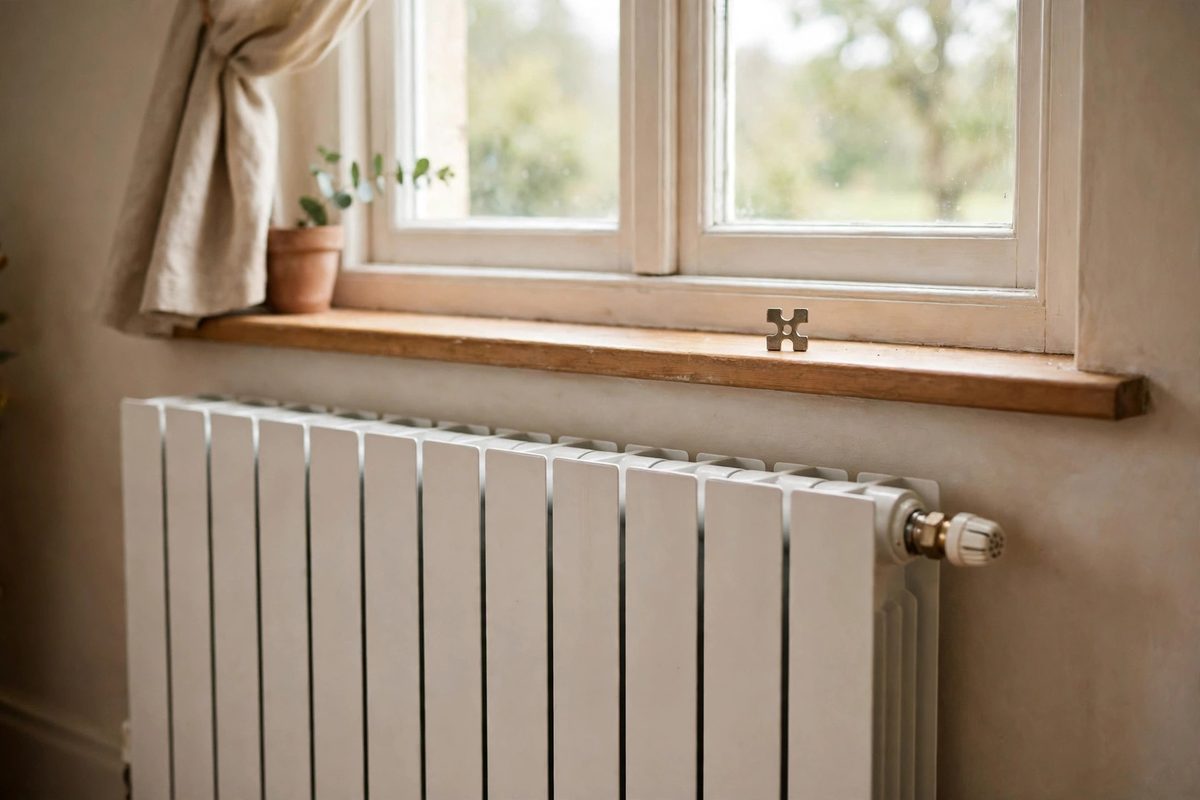
How to Bleed a Radiator That's Cold at the Top
Why the top stays chilly
Turn up the thermostat and you feel the bottom half of the radiator warming up, but the top stays as cold as a winter morning. Tiny air bubbles have slipped into the system and risen to the highest point, blocking hot water from circulating. The result looks like a half‑filled glass: warm at the bottom, frosty on top.
Gather what you’ll need
- A radiator key – the little square‑shaped tool you’ll find at most hardware stores.
- A shallow container or bowl; a coffee mug works just fine.
- A clean rag or an old towel.
- Optional: rubber gloves if the radiator is still warm.
Safety first – turn the heating off and let it cool
Before you touch the valve, switch the central heating off at the boiler and give the system at least 15 minutes to cool. You’ll avoid a scald and the cooler water lets the trapped air escape more easily. If you have a thermostatic radiator valve (TRV), set it to “off” or its lowest setting.
Step‑by‑step: bleeding the radiator
- Locate the bleed valve. It’s a tiny screw‑type fitting on the top corner of the radiator, usually opposite the inlet pipe. Look for a small slot or a square socket – that’s where the radiator key fits.
- Position your container. Place the bowl or mug directly under the valve. Tuck a rag around the base to catch any drips.
- Give the valve a quarter turn. Insert the key and turn it slowly counter‑clockwise. You’ll feel a slight resistance, then hear a sigh as air hisses out.
- Watch for water. When a steady stream of water replaces the bubbles, stop turning. A smooth, even flow means the air is gone.
- Tighten the valve. Turn the key clockwise just enough to stop the drip. A snug hand is all you need.
- Check the other radiators. If the same cold‑top problem shows up elsewhere, repeat the process. One air pocket can affect an entire zone.
Don’t forget the boiler pressure
Bleeding releases a tiny amount of water, which can drop the boiler’s pressure a notch. Most residential boilers should sit between 1.0 and 1.5 bar when the system is cold. After you finish, glance at the pressure gauge:
- If it reads between 1.0 and 1.5 bar, you’re all set.
- If it’s below 1.0 bar, you’ll need to top it up. Find the filling loop – a flexible hose with two taps – and open them just enough for water to flow in. Watch the gauge climb to around 1.2 bar, then close the taps.
Skipping this step is a common mistake. Low pressure can leave the whole house chilly, even after you’ve cleared the air.
What to do if the problem persists
If the radiator stays cold at the top after a proper bleed, double‑check these items:
- Balance the system. Radiators far from the boiler may need the lockshield valve (the valve opposite the bleed valve) opened a quarter turn clockwise to let more water flow.
- Inspect for blockages. Sludge can restrict flow. Clear water but still uneven heat? A professional flush might be required.
- Check the thermostat settings. A low room thermostat can prevent the boiler from firing long enough to push hot water all the way up.
- Look for a faulty valve. A stuck bleed valve can trap air again. Gently wiggle it with the key; if it feels corroded, replace it.
Quick recap
Bleeding a radiator with a cold top is a simple, low‑tech fix. Turn the heating off, let it cool, use a radiator key to let the air out, then verify the boiler pressure sits between 1.0 and 1.5 bar. A quick check of the lockshield valve and a bit of system balancing can prevent a repeat visit. Follow these steps and you’ll enjoy evenly warm rooms without calling a plumber.
Comments
No comments yet — be the first to share your experience.