How to Stop Catching a Cold Every Winter: 7 Habits That Actually Help
On this page
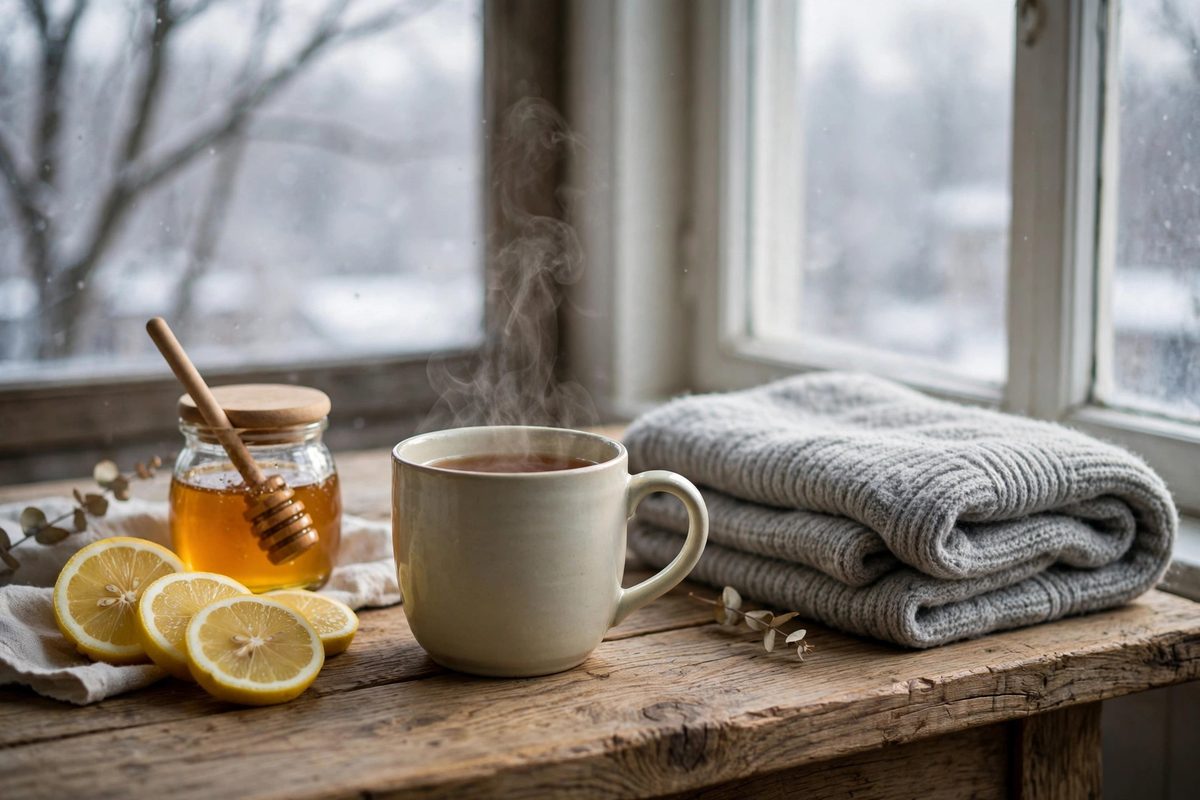
How to Stop Catching a Cold Every Winter: 7 Habits That Actually Help
Winter feels like the perfect time for cozy blankets, hot drinks, and—unfortunately—those nagging sniffles. The reason we get sick more often when the temperature drops isn’t magic; it’s a mix of dry air, crowded indoor spaces, and a few habits that slip when the days get short. Below are seven practical things you can weave into your daily routine to lower the odds of catching a cold every winter.
1. Wash Your Hands Like You Mean It
The simplest defense is still the most effective. Viruses love to hitch a ride on our fingertips, and we pass them around without even thinking about it. Aim for at least 20 seconds—the length of a favorite song chorus—each time you wash. If soap and water aren’t handy, keep an alcohol‑based hand sanitizer (at least 60% alcohol) in your bag, your car, and near the kitchen sink.
- Rub every surface of your hands—palms, backs, between fingers, and under nails.
- Rinse thoroughly and dry with a clean towel.
- Make it a habit before meals, after using the restroom, and when you come inside from the cold.
One study showed that people who washed their hands regularly reduced their risk of respiratory infections by about 30%. That’s a solid win for a habit that takes less than a minute.
2. Let Fresh Air In
When the weather turns chilly, we tend to seal windows and crank up the heat, which drops indoor humidity and traps germs. A quick burst of fresh air can change that. Open a window for 5–10 minutes a couple of times a day, especially after cooking or using the bathroom. If you have a mechanical ventilation system, set it to run on a low setting during the day.
Keeping indoor humidity in the 40‑60% range helps the mucous membranes in your nose stay moist, making it harder for viruses to settle. A small hygrometer can tell you exactly where you stand, and a portable humidifier can boost the level on dry days.
3. Prioritize Quality Sleep
When you’re running on two hours of shut‑eye, your immune system takes a hit. Aim for 7‑9 hours of sleep each night, and try to keep a consistent bedtime—even on weekends. A dark, cool bedroom (around 65°F or 18°C) signals your body that it’s time to rest.
Simple steps to improve sleep:
- Turn off screens at least 30 minutes before bed; the blue light can mess with melatonin.
- Swap caffeine for herbal tea after lunch if you’re sensitive to stimulants.
- Keep a small notebook by the bed to jot down worries—getting them out of your head can help you drift off faster.
4. Get a Dose of Vitamin D
Sunlight is scarce in winter, and that means lower vitamin D levels for many of us. While it won’t guarantee you won’t catch a cold, adequate vitamin D supports overall immune health. The recommended daily intake for most adults is between 600 and 800 IU. If you live in a place with short days, a supplement can fill the gap.
Before you start, a quick chat with your doctor can confirm the right dose for you, especially if you have any underlying conditions.
5. Stay Hydrated, Even When It’s Cold
We often forget to drink water when it’s chilly, but staying hydrated keeps the lining of your nose and throat supple. Aim for about 8 cups of fluid a day—water, herbal tea, or broth all count. Warm drinks are especially comforting; a mug of ginger‑lemon tea can soothe a scratchy throat while delivering a bit of extra fluid.
6. Keep Your Environment Clean
High‑touch surfaces—doorknobs, light switches, remote controls—are hot spots for germs. Wipe them down with a disinfecting wipe or a solution of diluted bleach (1 tablespoon per quart of water) at least once a week. If you have kids, involve them in the routine; it turns cleaning into a quick game.
Don’t forget the items you handle often outside the home, like your phone. A quick swipe with an alcohol‑based wipe each evening can make a noticeable difference.
7. Manage Stress in Small Ways
Chronic stress can wear down your defenses, but you don’t need a full‑blown meditation retreat to keep it in check. Simple habits work wonders:
- Take a 5‑minute breathing break after a stressful call—inhale for 4 seconds, hold for 4, exhale for 6.
- Walk outside during lunch, even if it’s just around the block. Fresh air and movement lift mood and circulation.
- Spend a few minutes each evening on a hobby you enjoy, whether it’s knitting, reading, or playing a game.
These micro‑breaks add up, helping your body stay resilient when the cold season rolls around.
Putting It All Together
There’s no single magic bullet that will keep you from ever sniffing a cold, but layering these habits creates a sturdy barrier. Think of it like building a snow fort: each brick—hand washing, ventilation, sleep, vitamin D, hydration, cleanliness, stress management—adds strength. Start with one or two that feel easiest, then gradually add more. Over time, you’ll notice fewer days spent reaching for tissues, and more time enjoying the season’s simple pleasures.
So the next time the thermostat drops, remember that a few mindful tweaks can make a big difference. Stay warm, stay mindful, and keep those colds at bay.
Comments
No comments yet — be the first to share your experience.