How to Build an Emergency Fund From $0 (Start With $500, Not 6 Months)
On this page
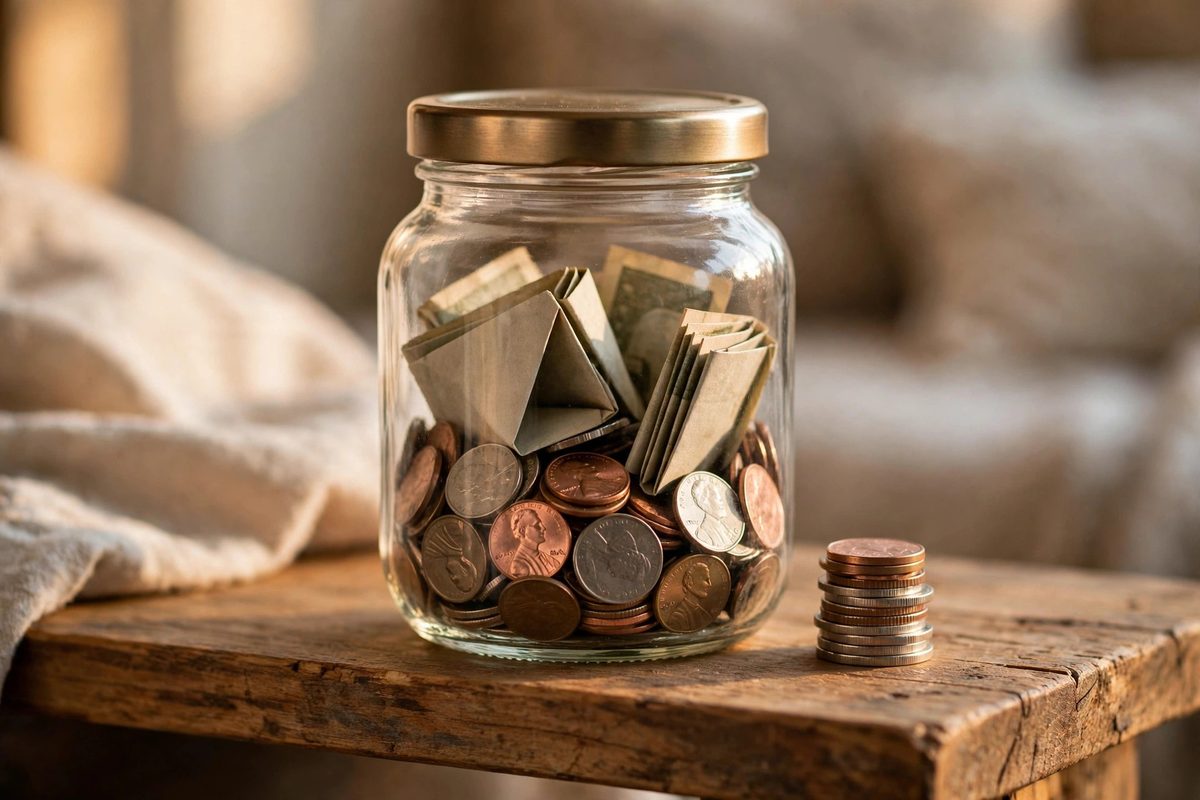
How to Build an Emergency Fund From $0 (Start With $500, Not 6 Months)
Everyone talks about “saving three‑to‑six months of expenses,” but if your bank balance reads $0, that advice feels out of reach. The good news? You can start with a modest $500‑$1,000 and watch a safety net grow without upending daily life.
Why a Starter Fund Beats a Big Goal
A starter fund is the first rung on a ladder—low enough to reach, high enough to catch a small surprise like a car repair or a missed paycheck. Once that cushion is set, each next step feels far less daunting.
Step 1: Get the First $500 on the Table
Here’s a fast way to pull together $500 without surviving on instant noodles:
- Cash‑in pockets. Sell shoes you haven’t worn in a year or list a spare bike on a local marketplace. Even a $50‑$100 windfall jump‑starts the fund.
- Trim a small expense for a month. A $5 daily coffee costs about $150 a month. Brew at home, stash the difference, and you’re $150 closer in 30 days.
- Pick up a micro‑gig. An afternoon of dog‑walking, babysitting, or a few rideshare trips can easily bring in $200‑$300.
When the money lands, transfer it straight to a separate high‑yield savings account. Out of sight, out of mind, and the temptation to spend disappears.
Step 2: Cover One Month of Essentials
Now that the starter fund is in place, match it to a typical month of bills, groceries, and transport. Calculate it like this:
- List regular monthly costs—rent or mortgage, utilities, phone, insurance, and any debt payments.
- Add an average grocery bill (use a few recent receipts).
- Include a modest buffer for gas or public‑transport fares.
For most people that total lands between $1,200 and $2,000. If you already have $500, you need another $700‑$1,500.
Break the gap into bite‑size pieces. Need $1,200 more? Aim for $100 a week—roughly the cost of a couple of take‑out meals or a streaming service you could pause.
Automate it: set a recurring $100 transfer each payday into the same high‑yield account. The money moves on its own, and you watch the balance climb without feeling the pinch.
Step 3: Expand to a 3‑to‑6‑Month Buffer
After you’ve covered a full month, grow the fund to three, then six months of expenses. It won’t happen overnight, but a steady approach keeps it realistic.
Use windfalls wisely. Tax refunds, bonuses, or a birthday gift can boost the fund. Funnel at least half straight into savings.
Re‑evaluate recurring costs each quarter. Negotiate a lower cable bill or switch to a cheaper cell plan. Redirect the savings to your emergency fund.
When you hit the three‑month mark, celebrate with a modest treat—maybe a movie night. Then set your sights on six months, a cushion that can weather a job loss, a major car repair, or an unexpected medical bill.
Where to Keep the Money
Not all savings accounts are equal. Look for these features:
- High‑yield savings. Online banks often pay rates several times higher than traditional brick‑and‑mortar accounts.
- FDIC or NCUA insured. Guarantees protection up to the legal limit.
- Easy access. A linked checking account or debit card lets you pull funds quickly in an emergency.
A separate account also makes tracking painless. When you log in, you’ll see a clean number growing, not a jumble of everyday deposits and withdrawals.
Automation Tricks That Stick
Automation is the secret sauce for anyone who actually builds a fund. Here are simple setups that don’t require a tech degree:
- Round‑up apps. Some banks round each purchase to the nearest dollar and transfer the spare change to savings.
- Direct deposit split. If your employer allows it, designate a portion of each paycheck (say $75) to go straight into the high‑yield account.
- Scheduled transfers. Log into online banking, set a recurring transfer for the day after payday, and forget about it.
Even $30 a week at first builds a habit that says, “this is money I’m saving, not spending.”
Real‑World Example: Maria’s Journey
Maria worked part‑time as a graphic designer, lived in a one‑bedroom apartment, and started with $0 in savings, $2,400 in monthly expenses, and a $500 credit‑card balance.
- Month 1: She sold a vintage lamp for $120 and cut her daily coffee, saving $150. She moved $250 into a high‑yield account.
- Months 2‑3: A $100 automatic transfer each payday added $800, bringing the balance to $1,050—enough for one month of essentials.
- Months 4‑6: A friend gave her a $200 birthday gift; she split it—$100 paid down the credit card, $100 went to the emergency fund. By month six, the fund reached $2,200, roughly three months of bills.
Maria’s story proves modest, consistent actions can turn a zero‑balance start into a solid safety net in under a year.
Keeping Momentum When Life Gets Busy
Deadlines and family events can push savings to the back burner. Treat your emergency‑fund transfer like any other bill: write it on your calendar, set a reminder, and consider it non‑negotiable. If a month is tight, transfer a token amount—$10 or $20—to keep the habit alive.
Wrapping It Up
Starting from zero doesn’t mean waiting until you’ve saved six months of expenses. Begin with a $500‑$1,000 starter fund, match one month of essentials, then expand to three‑to‑six months. Keep the money in a separate high‑yield account, automate the transfers, and celebrate each milestone. Soon you’ll have a buffer that lets you breathe easier when the unexpected hits.
Comments
No comments yet — be the first to share your experience.